01
What do we leave behind?
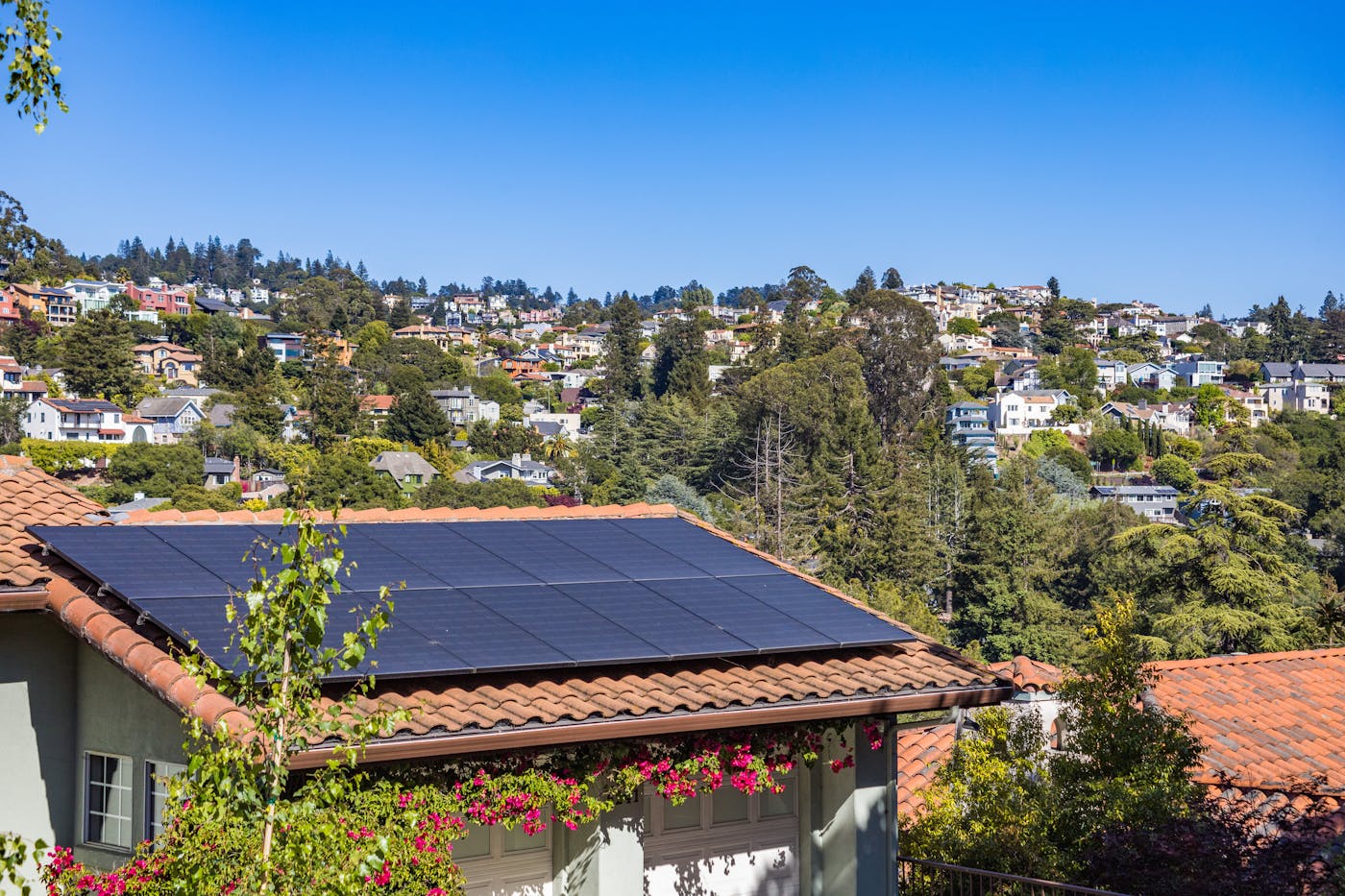
Extractive systems, growth-at-all-costs economics, the political maps that ignored the watersheds. Naming what we leave is the precondition of building anything else.
A living document · 2026 Congress
Ten community-deliberated priorities for the next decade. Filter by theme. Drill into the deliberation. See what to do next, at every scale from your block to the planet.
10
Priorities
4
Themes
3
Questions
The deliberative frame
Every priority on this site is the answer to one or more of the questions below. They were chosen because they re-open the conversation that policy debates close down - about what kind of future is actually worth deliberating for.
01
Extractive systems, growth-at-all-costs economics, the political maps that ignored the watersheds. Naming what we leave is the precondition of building anything else.
02
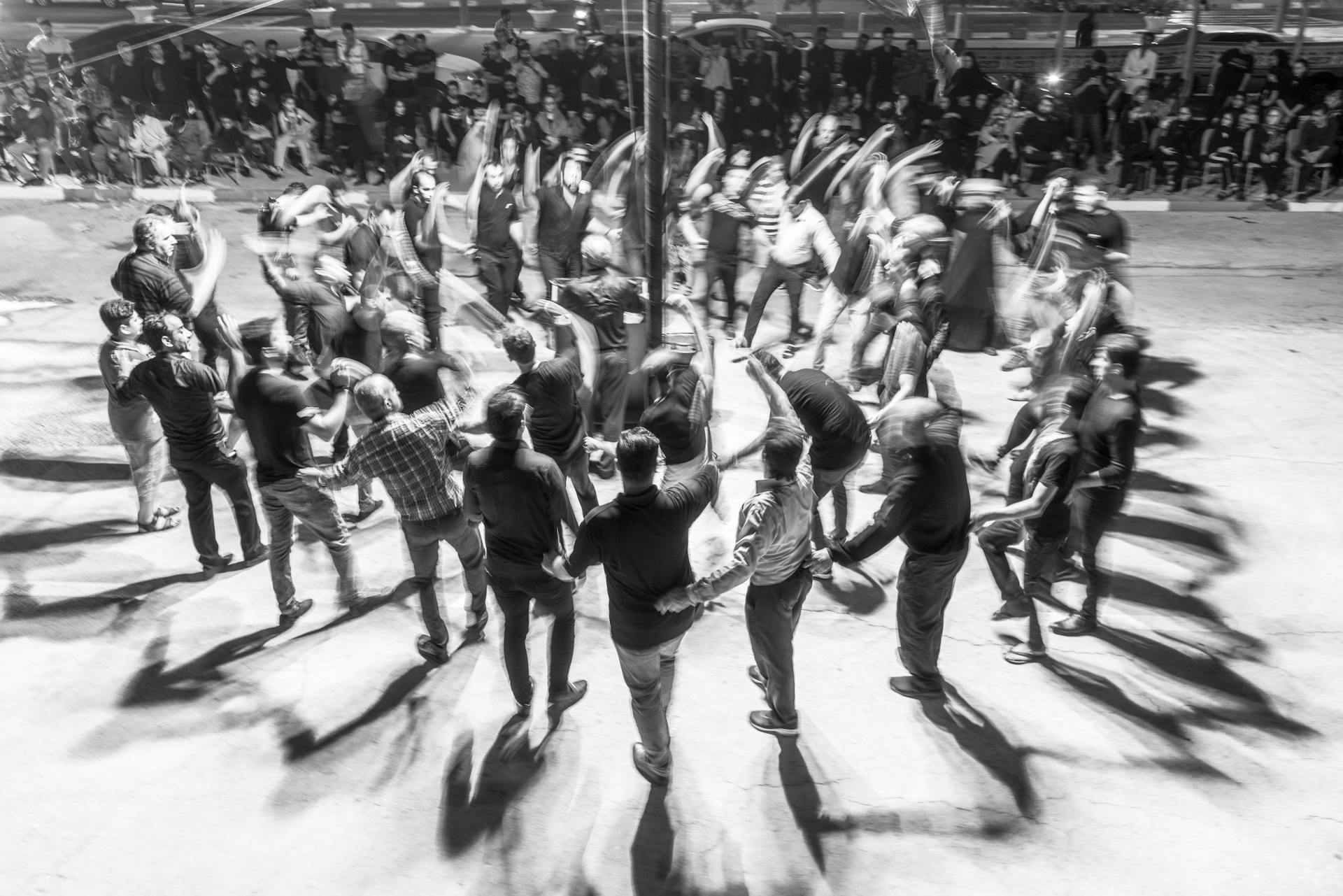
The land-based knowledge that predates colonization. The rituals of mutual aid. The soil practices, the seed banks, the songs. What lasted is the proof of what works.
03
Not a forecast - a commitment. The accountability story we tell about ourselves in ten years, written backward from a world we would actually want to inhabit.
Four currents the work runs through
The themes are not buckets. They are the angles you can come at any priority from - economic, structural, spiritual, epistemic. Filter by them on the directory to find your own way in.
Reparations, regenerative agriculture, community wealth, sufficiency - the question of who pays and who gets paid.
5 priorities
Energy grids, food systems, watersheds, governance - the physical and institutional bones of a different future.
3 priorities
Mutual aid, sacred sites, ritual, solidarity - the practices that hold communities together when systems fail.
4 priorities
Indigenous knowledge, intergenerational education, bioregionalism - how we learn what the land has been trying to tell us.
5 priorities
Begin with these

The first knowledge is the deepest knowledge. Reconciliation begins with returning to teachers we never should have left.
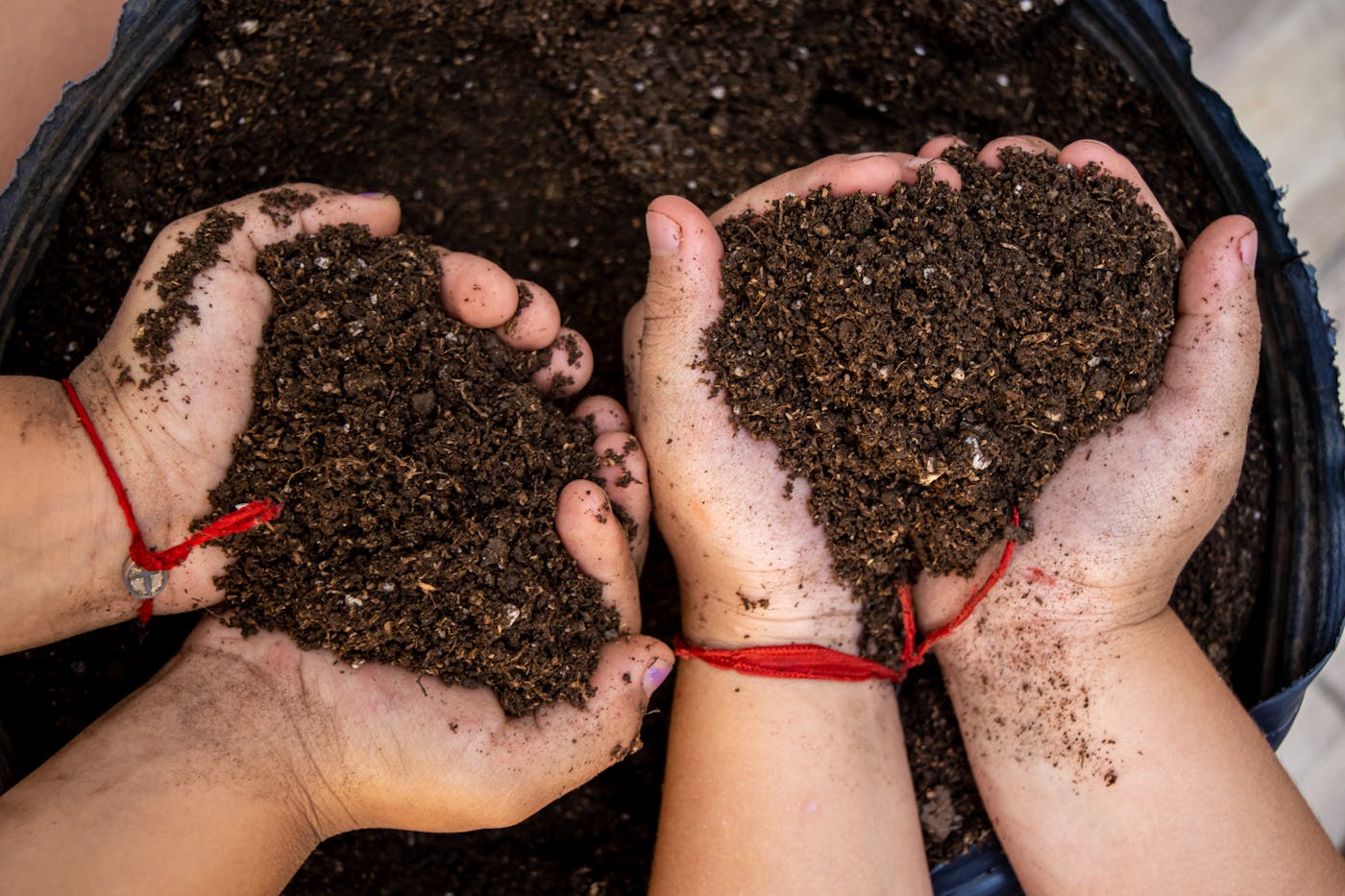
Food is the daily ritual where everyone - every body - participates in the climate system. Build there.
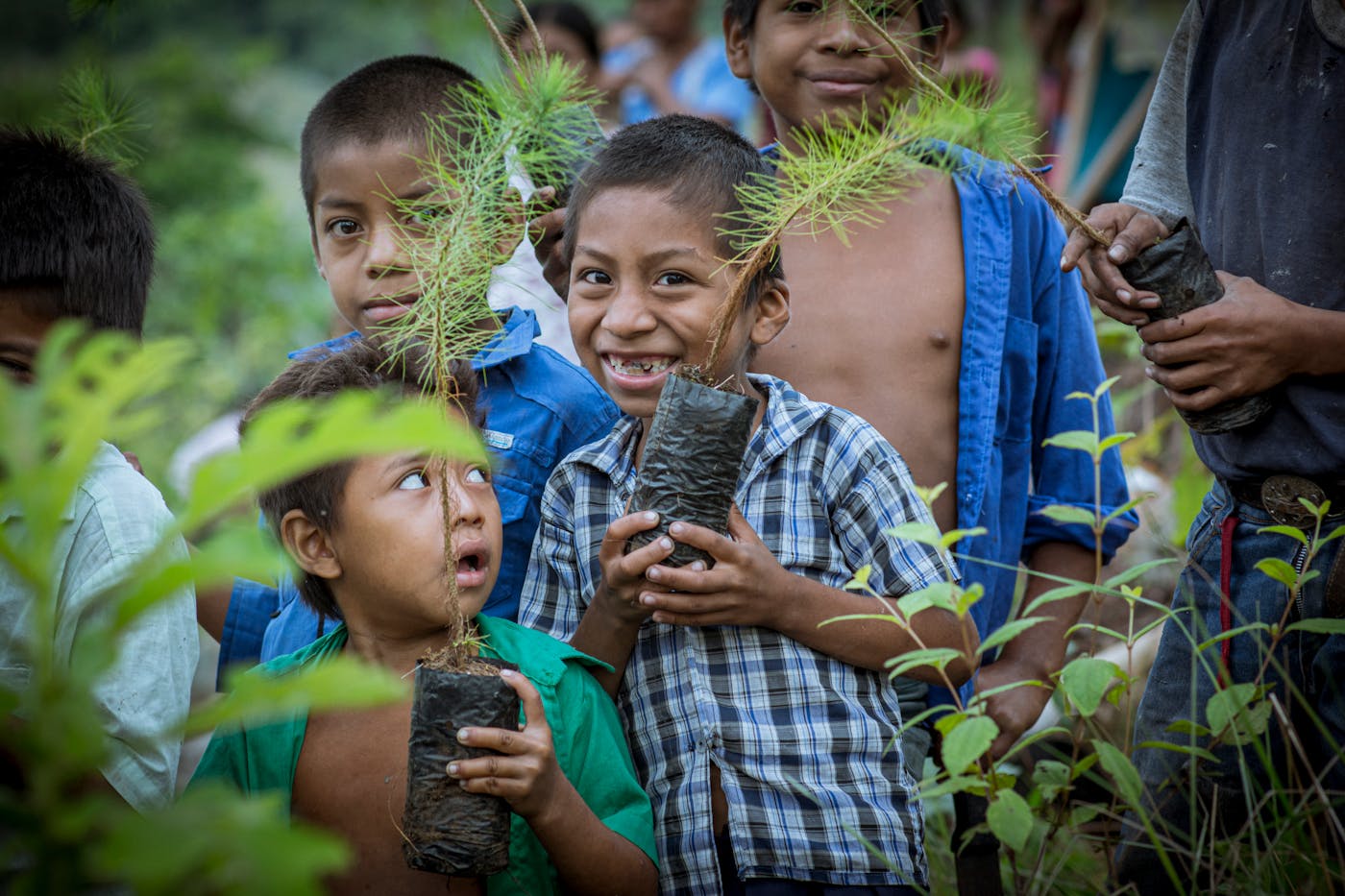
The land was someone's before it was a deed. The deed is the more recent document.

Whoever burns the fuel pays. Whoever lost the most gets paid first. The accounting is not complicated.

Why "Joy"
Most environmental websites lead with melting ice, burning trees, dying coral. The argument is that fear motivates. Forty years of evidence says it motivates exhaustion, not action.
The Congress chose joy on purpose. Not joy as denial - joy as the practiced muscle of imagining a future worth working for. Joy as the form of seriousness that doesn't burn out.
Each priority on this site has been tested against the same question: does this help anyone want to wake up tomorrow and do it again? If the answer is no, it didn't make the list.
Ready when you are
Filter by theme, by question, by what you have time for. Save the ones you want to act on. The directory is built to be used, not just read.